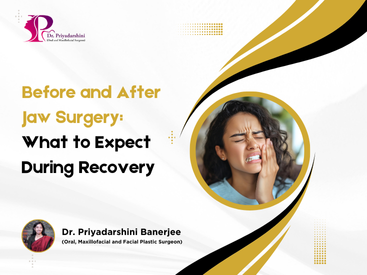
Before and After Jaw Surgery: What to Expect During Recovery
Jaw surgery — also known as orthognathic surgery — is a life-changing procedure that corrects misaligned jaws, improves bite, and enhances facial symmetry. While the results can be truly transformative, understanding what to expect before and after jaw surgery is essential for a smooth recovery and the best possible outcome.
Understanding Jaw Surgery
Jaw surgery is performed to correct irregularities of the jaw bones and realign the jaws and teeth for better function and appearance. It can help treat issues such as:
- Difficulty chewing or biting food
- Speech problems
- Facial imbalance
- Chronic jaw pain or TMJ disorder
- Sleep apnea caused by jaw misalignment
Depending on the complexity, surgery may involve the upper jaw (maxilla), lower jaw (mandible), or both.
Before Jaw Surgery: How to Prepare
Preparation plays a major role in ensuring successful surgery and recovery. Here’s what to expect before the procedure:
1. Consultation and Planning
Your oral and maxillofacial surgeon will assess your jaw alignment, bite, and facial profile using X-rays, 3D scans, and dental impressions. Often, orthodontic treatment (braces) is started months before surgery to align the teeth correctly.
2. Medical Evaluation
A thorough health check, including blood tests and imaging, helps your surgeon understand your overall fitness for anesthesia and surgery.
3. Pre-Surgery Instructions
- Avoid smoking and alcohol at least two weeks before surgery.
- Maintain good oral hygiene.
- Follow a soft or liquid diet if recommended by your surgeon.
- Arrange for post-surgery support and transportation.
After Jaw Surgery: The Recovery Phase
1. Hospital Stay and Initial Recovery
Most patients stay in the hospital for 1–3 days. You may experience:
- Swelling and mild discomfort
- Limited jaw movement
- Numbness in lips or cheeks (temporary)
Your doctor will prescribe pain relief, antibiotics, and anti-inflammatory medications to manage discomfort.
2. Diet After Surgery
For the first few weeks, you’ll be on a liquid or soft food diet to avoid stress on the jaw. Gradually, you can reintroduce solid foods as advised by your surgeon. Smoothies, soups, and protein shakes are great recovery options.
3. Managing Swelling and Bruising
Swelling peaks around day 3–4 and then gradually subsides over 2–3 weeks. Applying cold compresses and keeping your head elevated can help reduce swelling.
4. Oral Hygiene
Maintaining good oral hygiene is crucial. Use a prescribed mouth rinse and a soft-bristled toothbrush to keep your mouth clean without disturbing the surgical area.
5. Activity and Rest
Avoid strenuous physical activity for at least 4–6 weeks. Gentle walking is encouraged to improve circulation and aid healing.
Long-Term Recovery and Results
Most patients return to normal activities within 6–8 weeks, but complete healing of the jaw bones can take up to 3–6 months. Over time, swelling reduces, numbness fades, and you’ll begin to notice:
- Improved facial symmetry
- Better bite alignment
- Enhanced confidence and comfort while eating or speaking
Regular follow-up visits with your surgeon and orthodontist ensure that healing is on track and your bite is properly adjusted.
Tips for a Smooth Recovery
Follow your surgeon’s instructions carefully.
Stay hydrated and maintain a nutrient-rich diet.
Avoid smoking or using straws (can cause pressure).
Keep up with follow-up appointments.
Be patient — recovery takes time, but results are worth it.
When to Call Your Surgeon
Contact your doctor immediately if you notice:
- Persistent bleeding
- High fever
- Severe pain not relieved by medication
- Sudden swelling or infection
Final Thoughts
Jaw surgery can significantly improve your quality of life — both functionally and aesthetically. By knowing what to expect before and after the procedure, you can approach your recovery with confidence and clarity. With proper care, patience, and guidance from your surgeon, you’ll soon enjoy the long-term benefits of a balanced, healthier, and more confident smile.
About Dr. Priyadarshini Banerjee
Dr. Priyadarshini Banerjee is a leading Oral and Maxillofacial Surgeon with expertise in corrective jaw surgery, facial trauma management, and aesthetic facial reconstruction. Known for her patient-centered approach and advanced surgical skills, she has helped countless individuals restore function and harmony to their facial structure.
Jaw surgery recovery
Before and after jaw surgery
Orthognathic surgery recovery tips
Post jaw surgery care
Jaw alignment surgery results
What to expect after jaw surgery
Jaw surgery preparation
Book an appointment today!
If you have any general or medical enquiry, feel free to contact us.