
Blog

Your blog category

Showing 10 of 41 Results

How Chin Surgery Can Enhance Your Facial Harmony

Facial harmony is the foundation of an attractive and balanced appearance. While features like the eyes and lips often catch attention, the chin plays an equally vital role in defining facial proportions. A weak, receding, or overly prominent chin can disrupt balance — and this is where chin surgery (also known as genioplasty or mentoplasty) can make a remarkable difference.
According to Dr. Priyadarshini Banerjee, a skilled Facial Cosmetic and Reconstructive Surgeon, understanding the difference between functional and cosmetic rhinoplasty is essential before deciding which one you need.

Chin Augmentation vs. Chin Advancement: Key Differences Explained

Facial balance plays a major role in defining beauty and confidence. Among the many facial enhancement procedures, chin surgery—whether through chin augmentation or chin advancement—can bring remarkable improvement in overall appearance. Although both aim to refine the chin and jawline, they differ significantly in approach, purpose, and results.
According to Dr. Priyadarshini Banerjee, a skilled Facial Cosmetic and Reconstructive Surgeon, understanding the difference between functional and cosmetic rhinoplasty is essential before deciding which one you need.

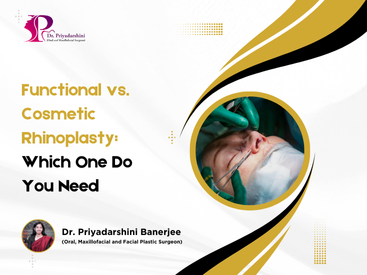
Functional vs. Cosmetic Rhinoplasty: Which One Do You Need?

Rhinoplasty — commonly known as a “nose job” — is one of the most sought-after facial surgeries today. However, not everyone chooses rhinoplasty for the same reason. Some people undergo it to improve breathing, while others wish to enhance their facial features.
According to Dr. Priyadarshini Banerjee, a skilled Facial Cosmetic and Reconstructive Surgeon, understanding the difference between functional and cosmetic rhinoplasty is essential before deciding which one you need.

Rhinoplasty Trends 2025: What’s New in Nose Reshaping Surgery

Rhinoplasty, or nose reshaping surgery, has long been one of the most sought-after cosmetic and reconstructive procedures worldwide. In 2025, the field continues to evolve — blending advanced surgical precision with cutting-edge technology to achieve natural, personalized, and lasting results.

TMJ Pain Relief: Latest Non-Surgical Treatments That Work

Temporomandibular Joint Disorder (TMJ or TMD) can cause persistent pain in the jaw, face, and neck, affecting your ability to eat, speak, and even sleep comfortably. The good news? Many non-surgical treatments are now available that effectively relieve TMJ pain and restore normal jaw function.

Top 5 Signs You Might Have TMJ Disorder and What to Do Next

If you often feel pain around your jaw, have headaches, or hear clicking sounds when you chew, you might be experiencing TMJ disorder. The temporomandibular joint (TMJ) connects your jawbone to your skull and plays a key role in talking, chewing, and even smiling. When this joint isn’t functioning properly, it can cause discomfort that affects your daily life.

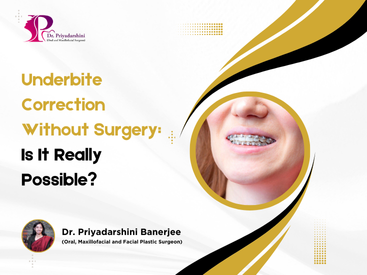
Underbite Correction Without Surgery: Is It Really Possible?

An underbite — when the lower teeth sit in front of the upper teeth — is more than just a cosmetic issue. It can affect chewing, speech, jaw function, and even confidence. Traditionally, jaw surgery (orthognathic surgery) was the go-to treatment for severe underbites. But today, advancements in orthodontic care have opened doors to non-surgical underbite correction methods.

Before and After Jaw Surgery: What to Expect During Recovery

Jaw surgery — also known as orthognathic surgery — is a life-changing procedure that corrects misaligned jaws, improves bite, and enhances facial symmetry. While the results can be truly transformative, understanding what to expect before and after jaw surgery is essential for a smooth recovery and the best possible outcome.

The Role of Genetics in Cleft Lip and Palate

Cleft lip and cleft palate are among the most common congenital conditions worldwide. These conditions occur when a baby’s lip or mouth does not form properly during pregnancy. While modern medical treatments can significantly improve outcomes, early diagnosis plays a critical role in ensuring timely intervention, better functionality, and improved quality of life

Why Early Diagnosis of Cleft Conditions Is Crucial for Better Outcomes

Cleft lip and cleft palate are among the most common congenital conditions worldwide. These conditions occur when a baby’s lip or mouth does not form properly during pregnancy. While modern medical treatments can significantly improve outcomes, early diagnosis plays a critical role in ensuring timely intervention, better functionality, and improved quality of life